Free metabolism tool
Check your daily calorie target before choosing a supplement
Use the calculator to estimate your daily needs, then grab the free 21-day guide to turn that number into a simple routine.
How to Increase Metabolism: Practical Strategies to Eat More and Lose More
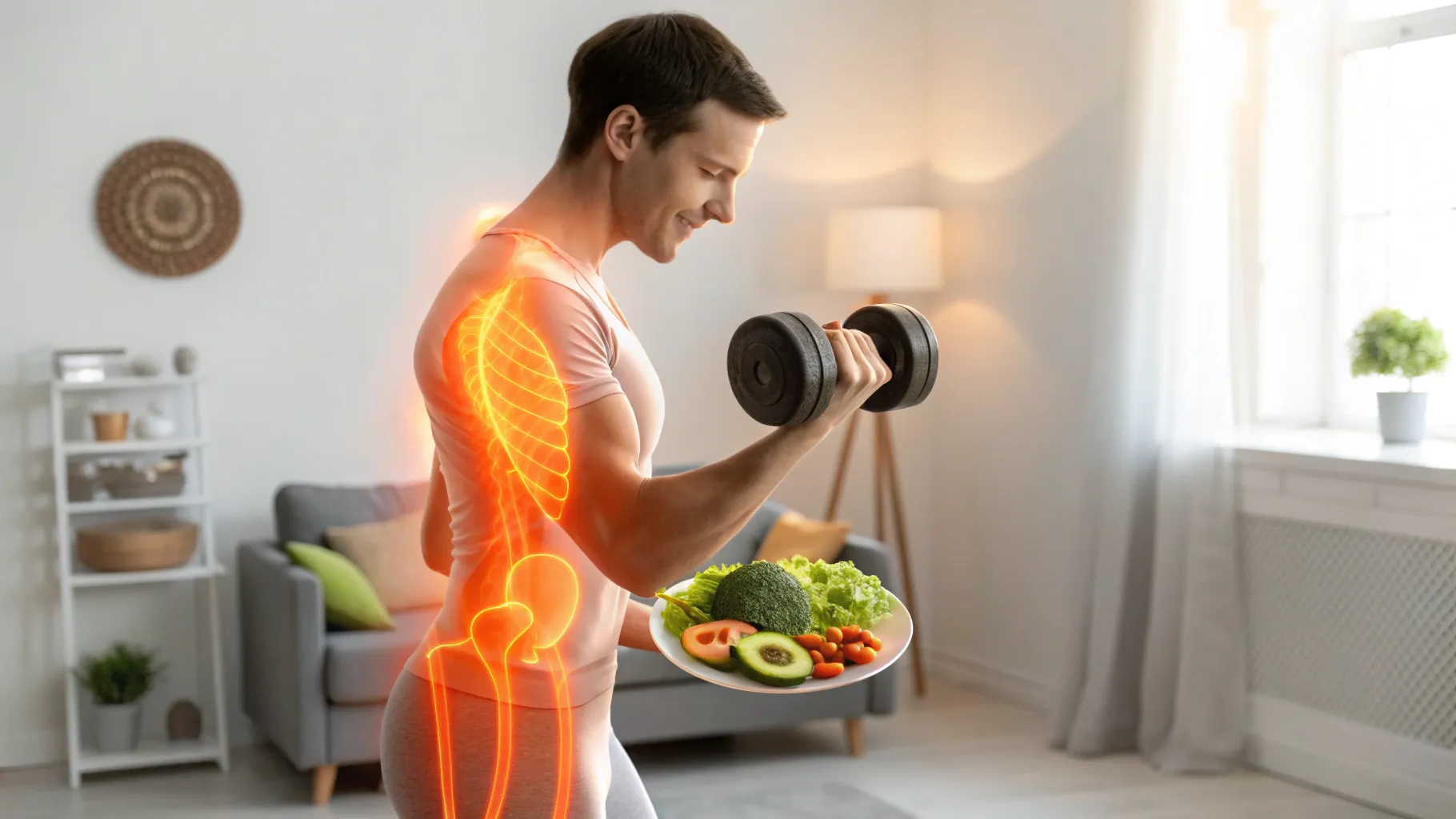
– In this article I summarize and expand on the evidence-based strategies discussed in a recent video produced by a fitness educator. – My goal here is practical: explain what actually moves the needle when you try to increase metabolism, which tactics are worth your time, and which are likely marketing fluff. – I will use clear bullet lists and calculations so you can quickly see the expected calorie impacts and decide what to try. – The keyphrase “Increase metabolism” will appear throughout to help you find and apply these strategies.
Table of Contents
- 🔎 What “Increase Metabolism” Really Means
- 💧 Drinking Water — Does It Increase Metabolism? (Might Work)
- 🍵 Green Tea — A Metabolic Booster? (Probably Doesn’t Work)
- 🌶️ Spicy Food and Capsaicin — Thermogenic Effects (Might Work)
- 🔥 Sauna — Sweat = Calories? (Probably Doesn’t Work)
- ❄️ Ice Baths and Cold Exposure — Shivering Calories (Probably Doesn’t Work)
- 🏋️ Building Muscle — The Real Way to Increase Metabolism (It Works)
- ↗️ Reverse Dieting — Gradually Increasing Calories (Might Work)
- 🍽️ Meal Frequency — Does Eating Often Increase Metabolism? (Probably Doesn’t Work)
- 🏃 Cardio — Burns Calories but Expect Compensation (It Works)
- 🦺 Weighted Vests — Trick the Body’s Load Sensors (Might Work)
- ⏳ Slow Dieting — Avoid Very Low Calories (It Works)
- 🚶 NEAT “Smuggling” — Small Actions Add Up (It Works)
- 📊 Putting It All Together — Prioritizing What Actually Increases Metabolism
- 🧾 Practical Plan to Increase Metabolism (Step-by-Step)
- ❓ Frequently Asked Questions (FAQ)
- 📌 Final Summary & Actionable Takeaways
- 🔚 Closing Thoughts
🔎 What “Increase Metabolism” Really Means
- Core concept:
- “Increase metabolism” in a fitness context usually refers to raising your metabolic rate or total daily energy expenditure (TDEE).
- TDEE = Basal metabolic rate (BMR) + thermic effect of food (TEF) + exercise energy expenditure + non-exercise activity thermogenesis (NEAT).
- Why it matters:
- A higher metabolic rate means you can eat more calories at maintenance or in a deficit and still lose fat or maintain weight.
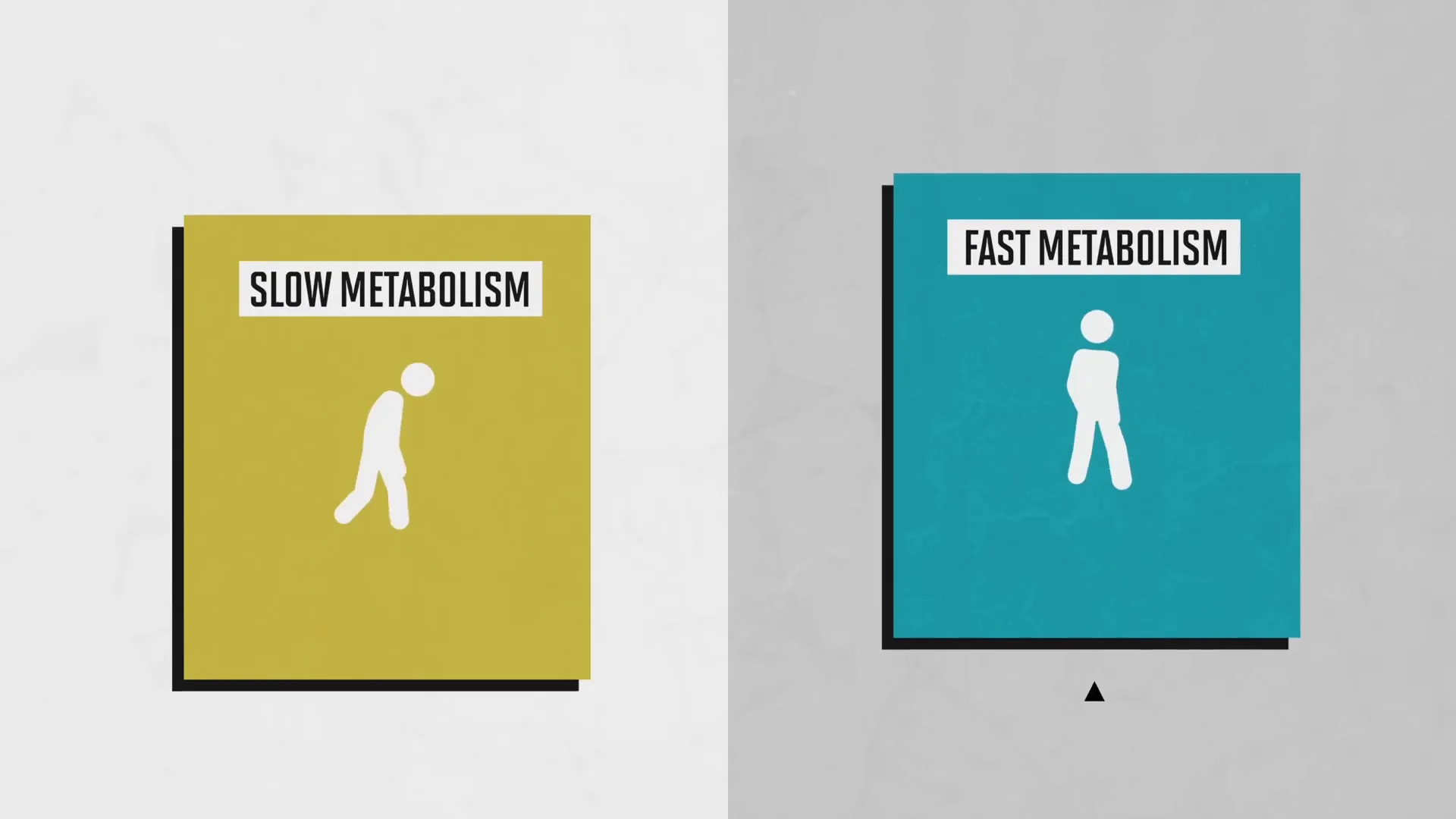
- People commonly use “fast metabolism” vs “slow metabolism” to describe differences in TDEE, but those differences can be huge even for people with the same weight and height.
- Evidence snapshot:
- Large research shows extreme variability in daily energy expenditure — two people at ~80 kg (176 lb) can have TDEE differences of several thousand calories per day.
- That means some people can eat 5,000 kcal/day and still lose weight, while others must eat <1,400 kcal/day to lose weight at the same body weight.
- Practical takeaway:
- To “increase metabolism” you need to target parts of TDEE that you can realistically change: muscle mass (BMR component), NEAT, and intentional exercise.
- Some small acute tricks (drinking cold water, spicy food, sauna) do change energy expenditure, but the magnitude is usually small.
💧 Drinking Water — Does It Increase Metabolism? (Might Work)
- The claim:
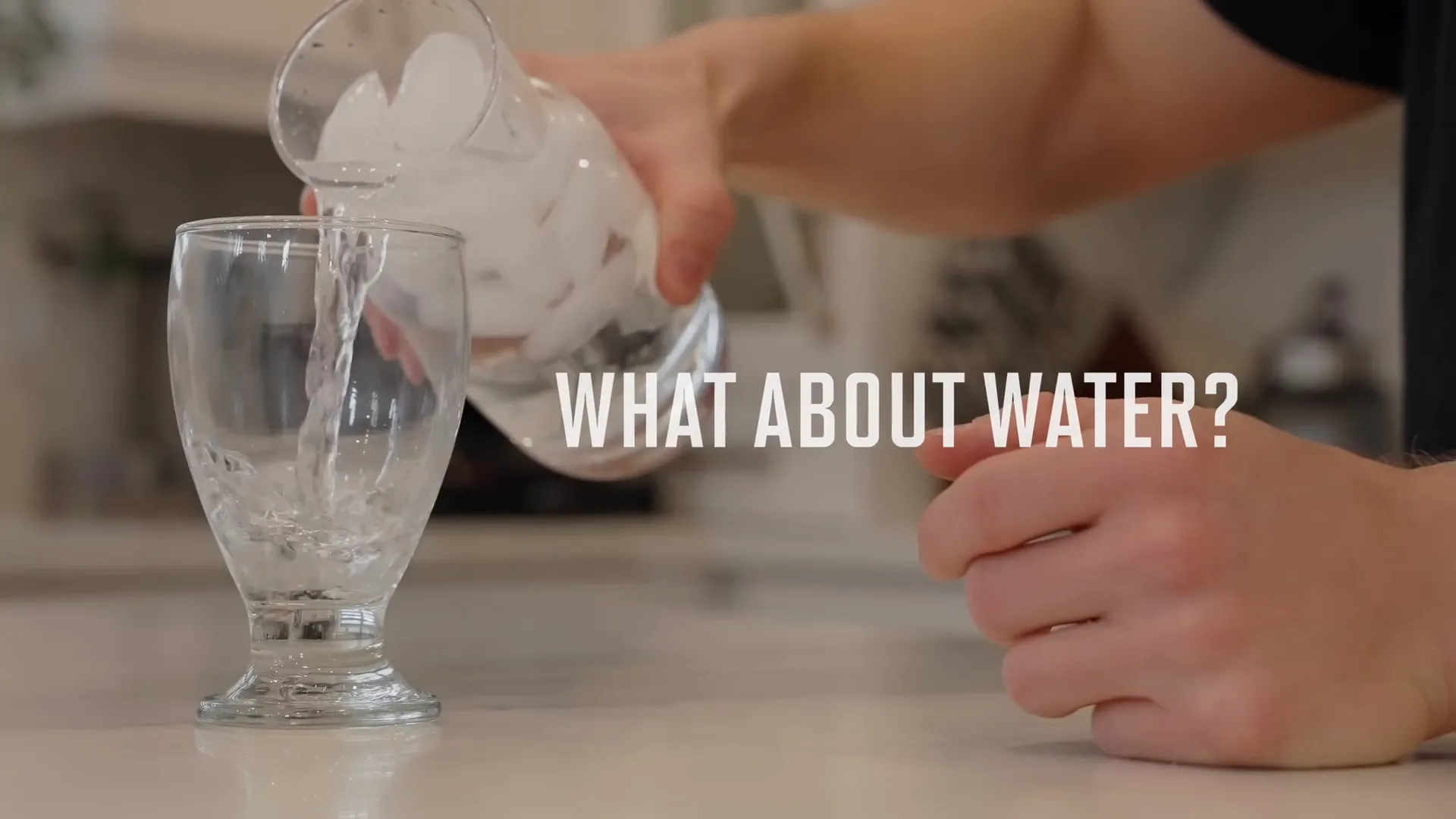
- Drinking more water will increase calorie burn because your body expends energy to heat cold water to body temperature.
- The numbers:
- Each glass (~250-300 ml) of cold water burns roughly 8 calories as the water is warmed to body temperature.
- Example: If you drink 1 liter (~4 glasses) of cold water, that’s about 32 extra calories burned in a day.
- Why “might work” and not “works”:
- The acute thermic effect is real but small; it rarely translates to meaningful fat loss on its own.
- Behavioral compensation is possible: you might drink more but move less, canceling the net gain.
- Forcing extremely high water intakes quickly can risk hyponatremia. Stick to ~2–3 liters/day (8–12 cups) unless medically advised otherwise.
- Secondary benefits:
- Drinking water can increase satiety at meals, which may help reduce total calorie intake—this is often a more reliable route to fat loss than relying on the small thermic effect.
- Practical recommendations:
- Drink regularly throughout the day (use thirst as a guide), prefer cold water if you want the tiny extra burn.
- Use water as a satiety tool around meals to help control intake.
🍵 Green Tea — A Metabolic Booster? (Probably Doesn’t Work)
- The claim:
- Green tea and its components (caffeine + catechins) boost metabolism and cause extra fat loss.
- The evidence:
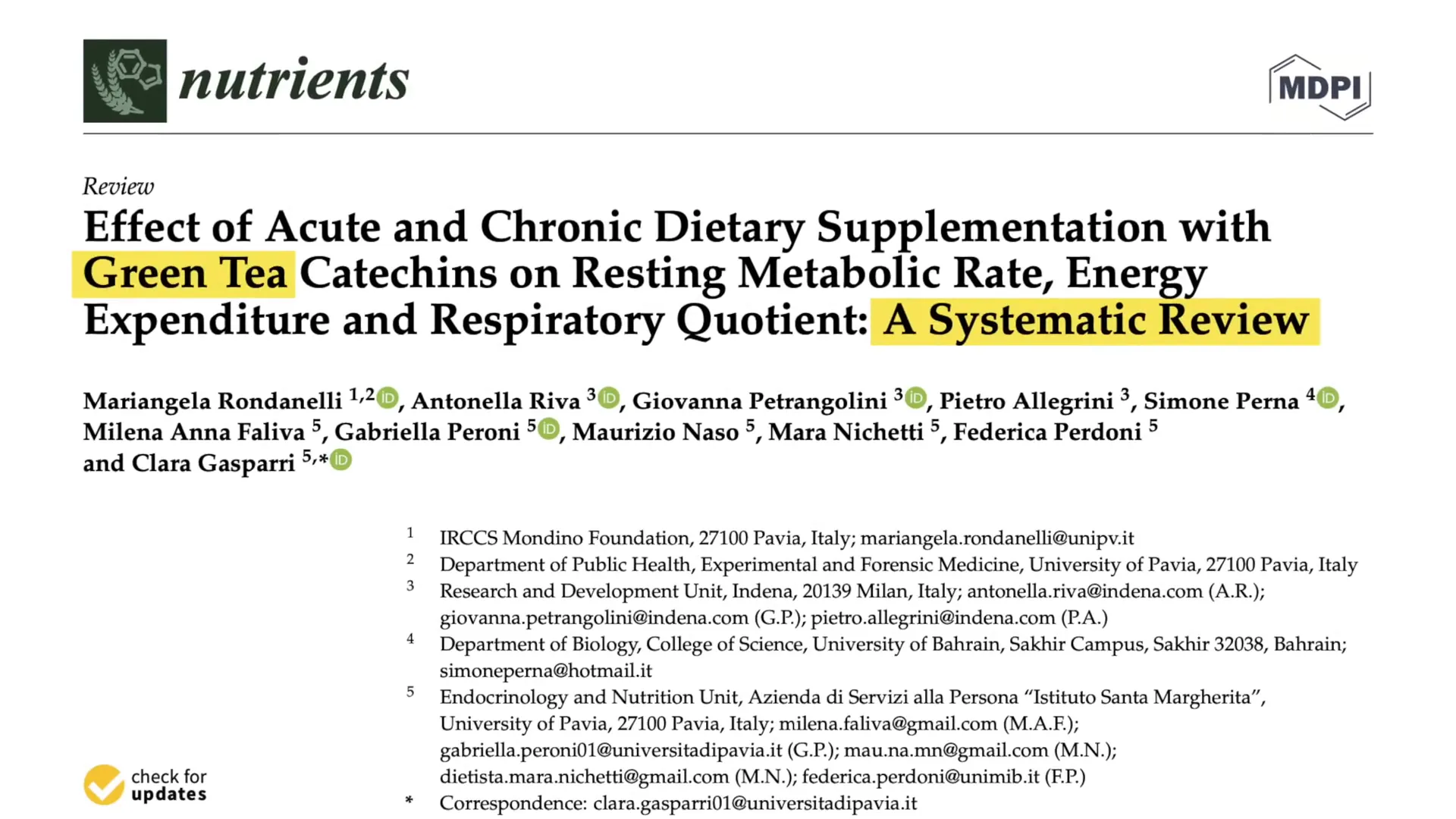
- A 2021 systematic review looked at acute and chronic effects. Of four acute studies, three showed no metabolic effect and one small 24-hour study with 10 subjects reported a 79 kcal/day increase.
- Long-term studies of green tea supplementation show no consistent benefit for fat loss.
- Why “probably doesn’t work”:
- Even if green tea produces a transient increase in energy expenditure, that effect does not appear to reliably translate to increased fat loss over weeks/months.
- Most positive effects are small, inconsistent, or come from low-powered studies.
- Practical recommendations:
- If you enjoy green tea, drink it—it’s low-calorie, hydrating, and has healthful polyphenols—but don’t expect it to meaningfully “increase metabolism” by itself.
- If you want caffeine for a performance boost, prioritize its stimulus effects (energy, focus) over expecting a big metabolic change.
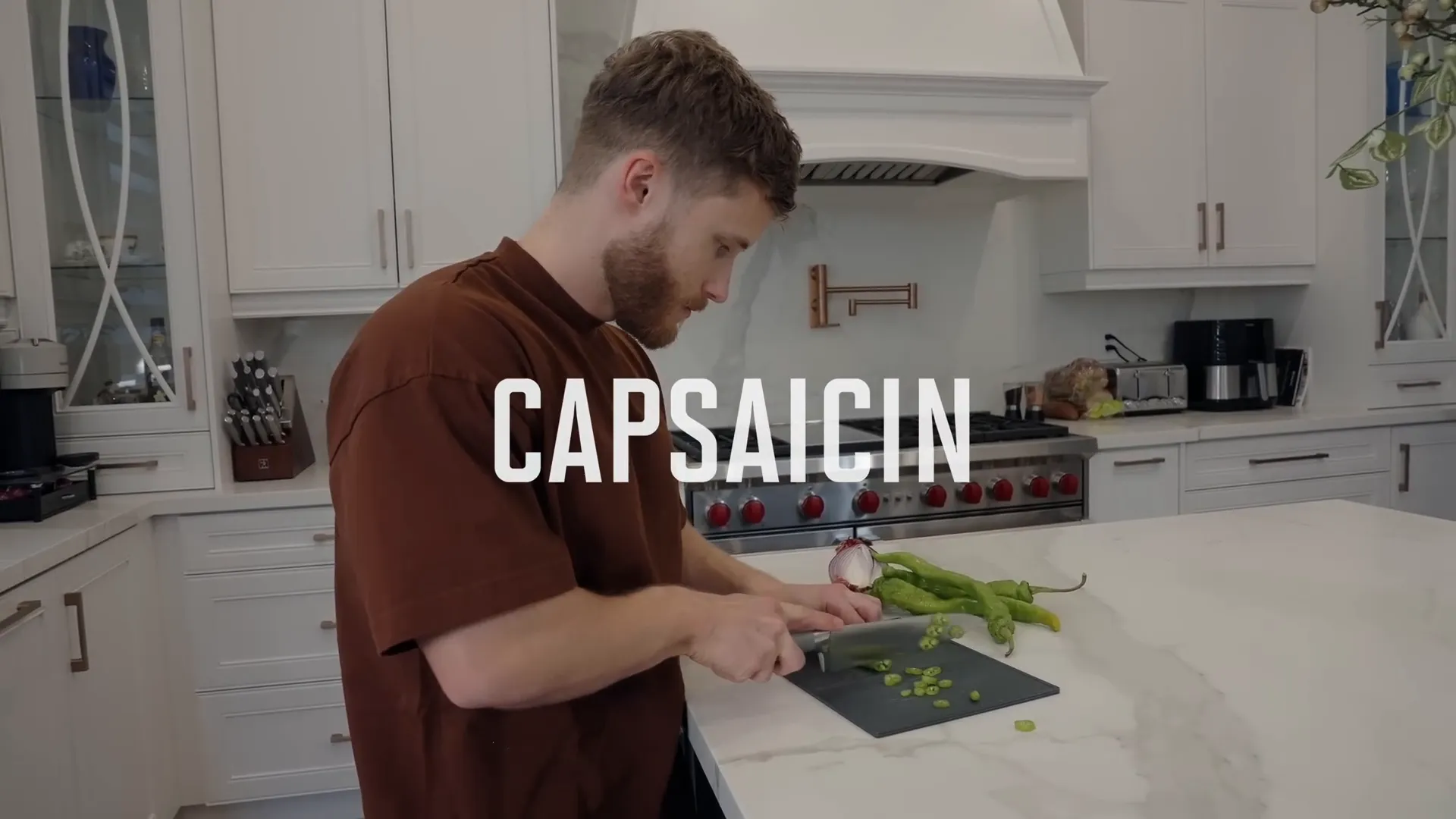
🌶️ Spicy Food and Capsaicin — Thermogenic Effects (Might Work)
- The claim:
- Spicy foods (chili peppers, capsaicin) increase calorie burn by raising thermogenesis.
- The evidence:
- A 2017 meta-analysis of nine studies found capsaicin increased energy expenditure by about 69 calories/day on average, but primarily in participants with BMI > 25.
- The effect is dose-dependent: small amounts of chili in a meal translate to very small calorie boosts.
- Practical math example:
- A bowl of spicy curry with ~0.5 g of chili (~2 mg capsaicin) likely provides at most a ~20 calorie/day bump when extrapolating generously.
- That 20 kcal is negligible compared to the ~700 kcal of the meal—so don’t expect massive effects.
- Why “might work”:
- Capsaicin does have a quantifiable thermogenic effect, especially in overweight individuals.
- Spicy food reliably increases satiety for many people (eat slower, drink more water), which can reduce total caloric intake—this is likely the more important pathway for weight control.
- Practical recommendations:
- Include spices if they help you enjoy meals and eat slower; expect minor thermogenesis and potential satiety benefits.
- Consider capsaicin supplements only if tolerated and after consulting a healthcare professional; dietary sources are easier and safer for most people.
🔥 Sauna — Sweat = Calories? (Probably Doesn’t Work)
- The claim:
- Sitting in a sauna increases calorie burn because heart rate and oxygen consumption go up.
- The evidence:
- A 1995 study showed increased heart rate and oxygen consumption in the sauna, which translates to slightly higher caloric burn.
- For an 180 lb person: ~19 calories burned per 10 minutes in sauna vs ~14 calories sitting in room temperature — roughly a 5 calorie difference.
- Why “probably doesn’t work”:
- The acute calorie difference is tiny — one stick of gum worth of energy per 10 minutes — and not meaningful for fat loss.
- Some people use sauna for recovery, circulation, and relaxation, which are great—but it’s not a metabolic hack for losing fat.
- Practical recommendations:
- Use the sauna for recovery and comfort, not as a strategy to materially increase metabolism.
- Don’t mistake fluid loss (sweat) for fat loss; rehydrate and account for weight changes properly.

❄️ Ice Baths and Cold Exposure — Shivering Calories (Probably Doesn’t Work)
- The claim:
- Cold exposure forces your body to burn more calories (via shivering and non-shivering thermogenesis).
- The evidence:
- Sitting neck-deep in an ice bath for 10 minutes burns roughly 28 calories, compared to ~14 calories sitting at room temperature — approximately a 14 calorie net gain.
- Short bouts increase oxygen consumption and shivering-related caloric expenditure, but the total per session is small.
- Why “probably doesn’t work”:
- The extra burn per exposure is minimal; frequent exposure adds up slowly and is uncomfortable for many people.
- There is individual variability and potential cold adaptation that can reduce this effect over time (less shivering as you adapt).
- Practical recommendations:
- Cold plunges are useful for recovery and subjective benefits for some people—view any calorie burn as a tiny bonus rather than a primary tool to increase metabolism.
- Focus on sustainable, enjoyable practices rather than frequent extreme exposure purely for small thermogenic gains.

🏋️ Building Muscle — The Real Way to Increase Metabolism (It Works)
- The claim:
- Increasing lean muscle mass raises resting metabolic rate (RMR) because muscle is more metabolically active than fat.
- The evidence and math:
- At rest, approximately:
- 1 lb of fat burns ~2 kcal/day.
- 1 lb of muscle burns ~6 kcal/day.
- Example calculation:
- If you gain 30 lb of muscle over several years (realistic for a new lifter with consistent training and nutrition), you might increase daily burn by ~180 kcal/day.
- For a person burning 2,500 kcal/day, that would bring maintenance to ~2,680 kcal/day—meaning more food at maintenance or more leeway in a deficit.
- At rest, approximately:
- Why “it works”:
- Muscle-building increases the largest modifiable component of metabolism (BMR) over time.
- In addition to direct metabolic benefit, resistance training preserves muscle during dieting and improves insulin sensitivity, strength, appearance, and function.
- Practical recommendations to increase metabolism via muscle:
- Follow progressive resistance training (compound lifts, progressive overload) at least 2–4 times/week.
- Prioritize adequate protein intake (rough guideline: 0.7–1.0 g/lb body weight depending on goal and training age).
- Eat in a modest surplus when actively building muscle; be patient—realistic muscle gain takes months to years.
- Use structured programs rather than random gym sessions to ensure steady progress.

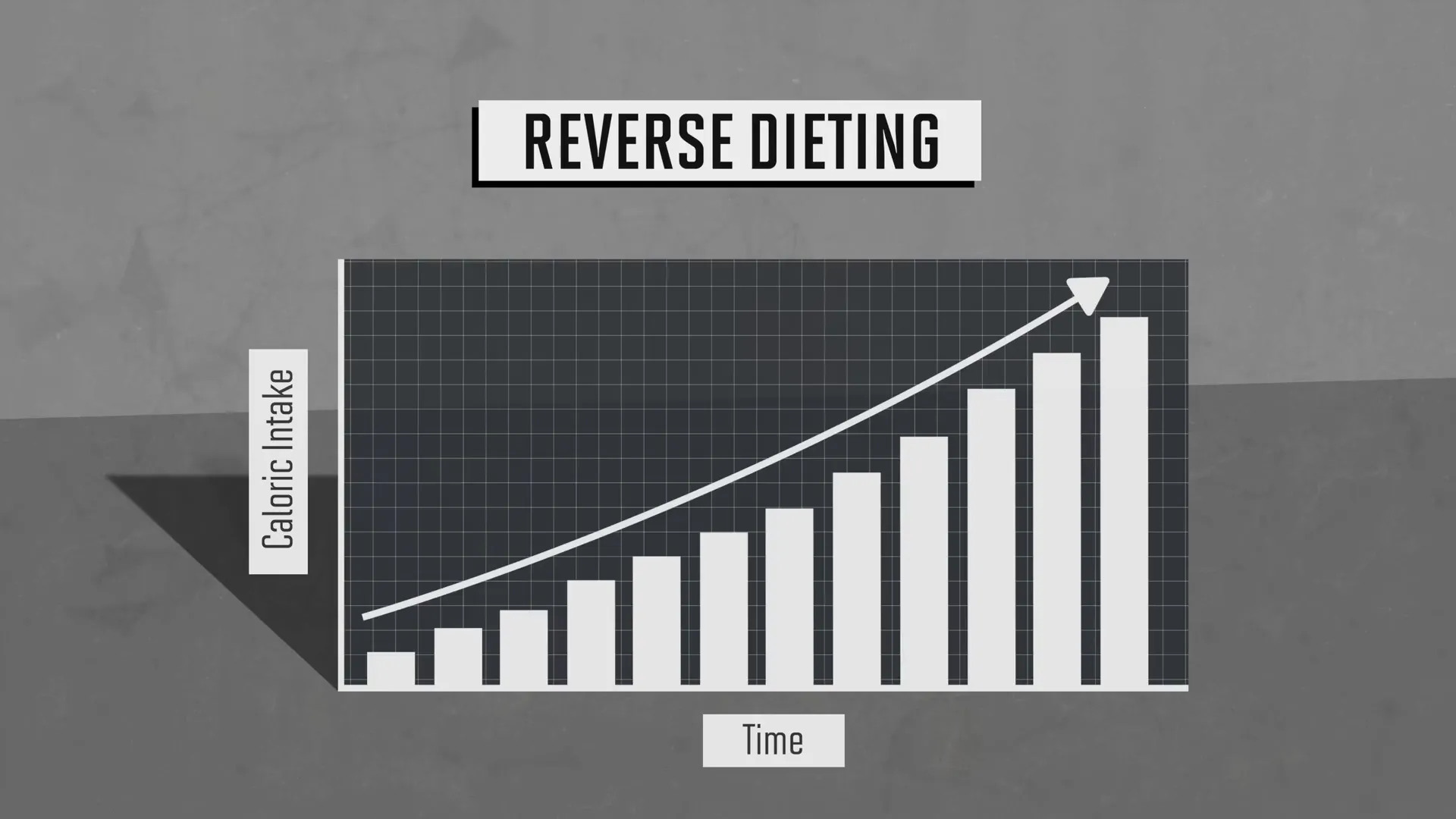
↗️ Reverse Dieting — Gradually Increasing Calories (Might Work)
- The claim:
- Reverse dieting is the practice of slowly increasing calories after a diet to “rebuild” your metabolism without gaining fat.
- The evidence and clinical experience:
- There are anecdotal and case reports of people raising calories by several hundred while maintaining weight, suggesting some adaptive responses.
- However, systematic evidence is limited; many experts believe it’s not necessary to increase calories extremely slowly.
- Practical interpretation:
- Rather than a slow creep up, many people can transition to an estimated new maintenance calorie target fairly quickly after a diet and then make gradual increases from that baseline as needed.
- The “right” approach likely depends on individual behavior, hunger, and psychological tolerance for weight fluctuations.
- Why “might work”:
- Reverse dieting may help some people minimize rapid fat regain and reduce hunger by slowly restoring calories and metabolic signals.
- But it’s not proven superior to moving to calculated maintenance and adjusting based on weight trends.
- Practical recommendations:
- If you finished a long or aggressive diet, prioritize protein, resistance training, and a sensible calorie increase to maintenance. You can choose to increase slowly if it helps adherence.
- Track weight and body composition trends and adjust depending on how your body responds—this is more important than an arbitrary “weeks-per-50 kcal” algorithm.
🍽️ Meal Frequency — Does Eating Often Increase Metabolism? (Probably Doesn’t Work)
- The claim:
- Eating more meals spread across the day keeps your metabolic “furnace” burning and increases energy expenditure.
- The evidence:
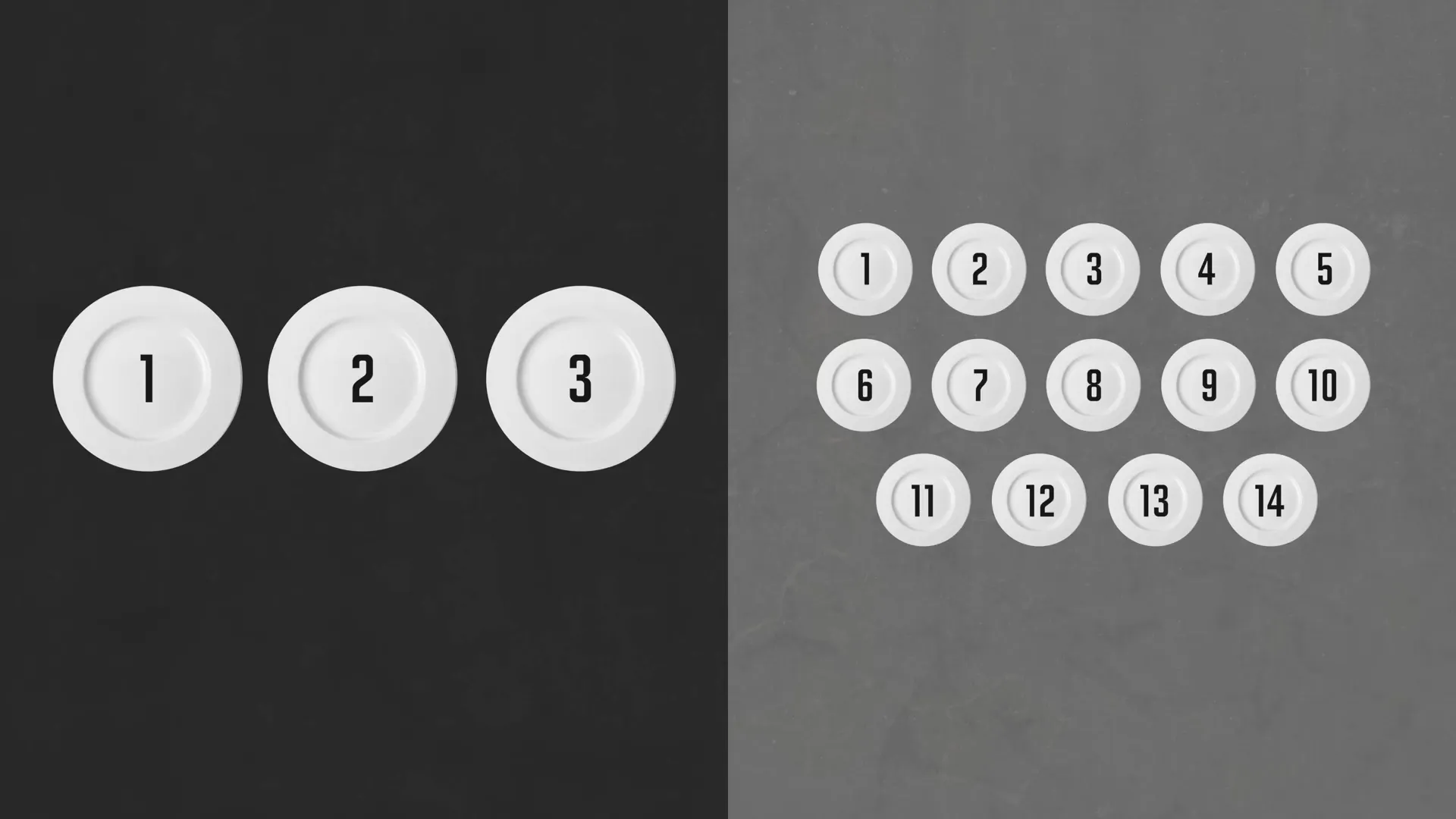
- A controlled study had subjects eat either 3 meals/day or 14 meals/day (same total calories) for three days and found no difference in energy expenditure.
- A 2015 meta-analysis pooling 15 studies found no meaningful difference in fat mass across different meal frequencies after controlling for calories.
- Why “probably doesn’t work”:
- TEF (thermic effect of food) is proportional to calories and macronutrients—not meal frequency (given equal calories and macronutrient composition).
- For most people, meal frequency should be chosen to optimize satiety, blood sugar control, gym performance, and adherence—not to “increase metabolism.”
- Practical recommendations:
- Choose a meal frequency that fits your lifestyle: 2–3 meals, 4–6 meals, intermittent fasting—whatever you can sustain while hitting calorie/protein targets.
- If frequent meals help you control hunger and meet protein needs, do it; otherwise focus on total intake and nutrient quality.
🏃 Cardio — Burns Calories but Expect Compensation (It Works)
- The claim:
- Cardio burns calories and therefore helps create a calorie deficit and increase overall energy expenditure.
- The nuance — energy compensation:
- Performing cardio often causes subconscious reductions in non-exercise activity (NEAT). This is called energy compensation.
- Example: If you burn 500 kcal in a run, your NEAT might drop so that you burn 350 kcal less throughout the rest of the day—net increase = 350 kcal, not 500 kcal.
- On average, studies suggest that for every 100 kcal burned via cardio you might only net ~72 kcal increase in daily energy expenditure once compensation is considered.
- Why “it works”:
- Cardio still produces a net calorie burn and has cardiovascular and health benefits.
- For many people it’s an effective secondary tool to create a deficit when dietary control alone is insufficient or for additional health/fitness goals.
- Practical recommendations:
- Use diet as your primary weight-management tool; use cardio to supplement your calorie deficit and for cardio health.
- Be aware of compensation — monitor daily activity and energy levels; aim to preserve or increase NEAT where possible.
- Combine cardio with strength training to minimize muscle loss during deficits.
🦺 Weighted Vests — Trick the Body’s Load Sensors (Might Work)
- The concept:
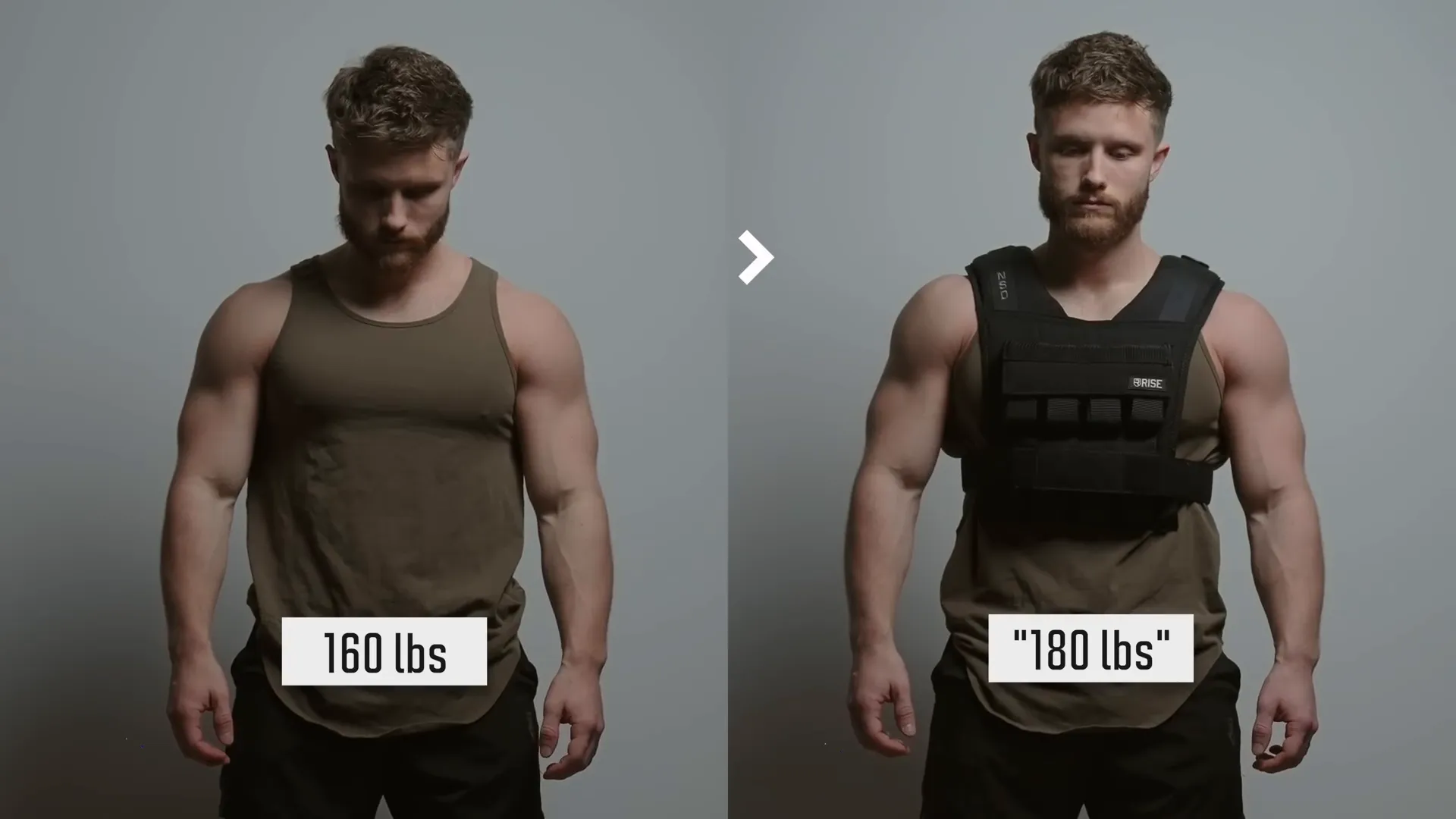
- Wearing additional load (weighted apparel) increases mechanical loading and can trick the body into “thinking” you’re heavier, potentially raising energy expenditure and lowering appetite via the gravitostat system.
- The evidence:
- Animal and human data suggest sensors in bones and load-sensing systems can regulate energy balance in response to sustained loading changes.
- Anecdotal and case data show people using heavy vests during waking hours experienced greater fat loss or easier contest prep, but controlled long-term trials are limited.
- Why “might work”:
- There is a plausible biological mechanism (gravitostat signaling), and practical case studies hint at real effects.
- We need more randomized controlled trials to put it in the “it works” category definitively.
- Practical recommendations:
- If you choose to experiment with weighted garments, prioritize safety: incremental weight, good posture, and avoid sustained heavy loads that strain joints.
- Consider weighted vests for walks or daily NEAT to increase energy expenditure modestly without dedicated exercise sessions.
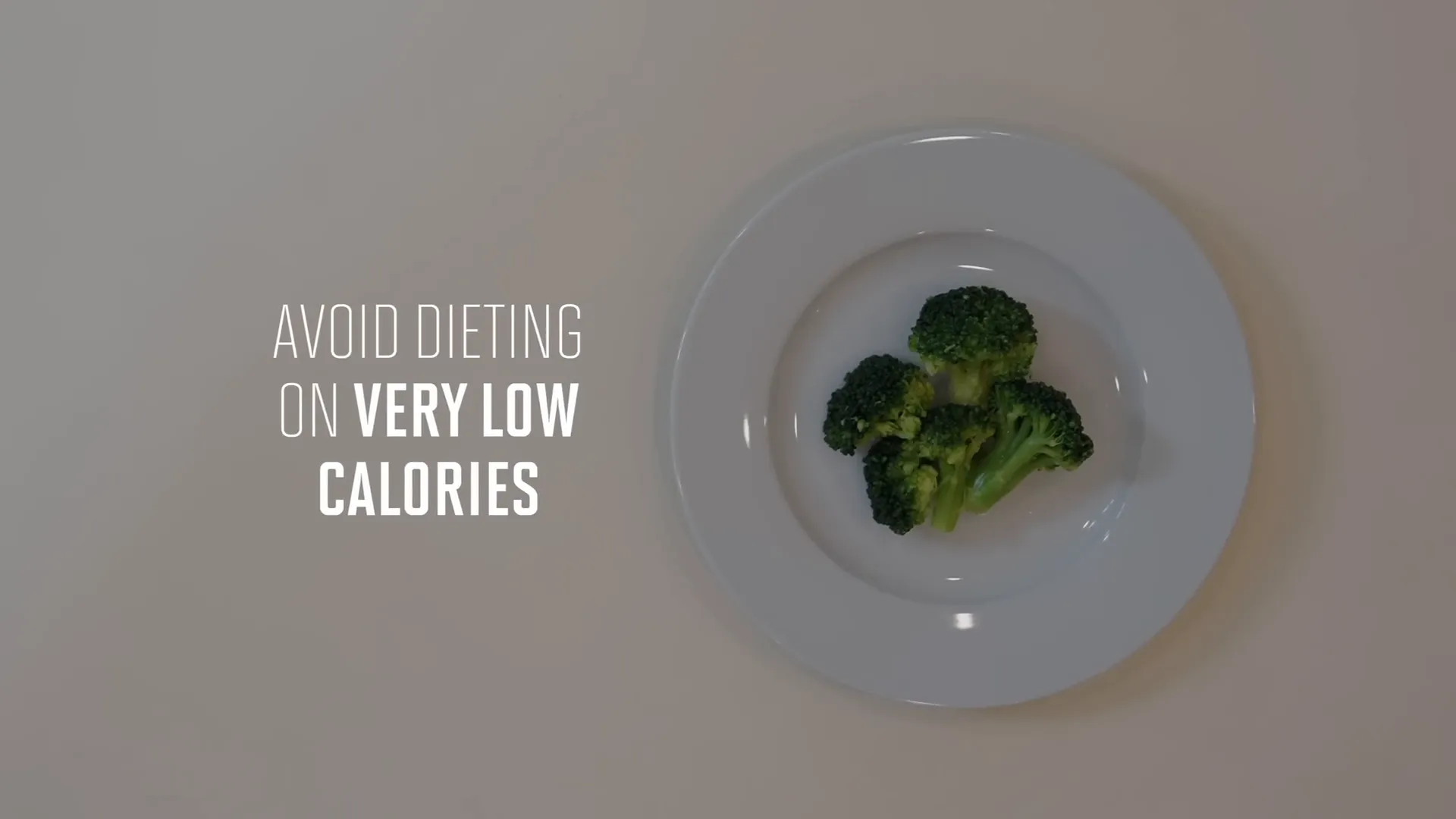
⏳ Slow Dieting — Avoid Very Low Calories (It Works)
- The claim:
- Extremely low-calorie diets accelerate metabolic adaptation (decreased BMR, decreased hormonal levels, higher hunger), making long-term fat loss harder.
- The evidence:
- The more aggressively you cut calories, the greater the metabolic downregulation tends to be.
- Recommended safe rate: lose about 0.5–1.0% of body weight per week to minimize negative metabolic adaptations.
- Why “it works”:
- A controlled, moderate deficit preserves more muscle and maintains higher energy expenditure than extreme deficits for the same period.
- Practical recommendations:
- Set realistic weekly weight loss targets (0.5–1% body weight/week), keep protein high, and include resistance training.
- Avoid prolonged periods at very low calories unless medically supervised or required for competition prep.
🚶 NEAT “Smuggling” — Small Actions Add Up (It Works)
- What NEAT is:
- NEAT = Non-Exercise Activity Thermogenesis, which includes walking, fidgeting, standing, taking stairs, household chores, and other daily movement.
- Why NEAT matters for “increase metabolism”:
- NEAT is highly variable between people and can account for hundreds to over a thousand calories/day difference between individuals.
- Small increases in NEAT are sustainable, safe, and cumulative.
- Practical NEAT “smuggling” strategies:
- Park farther from stores.
- Take the stairs instead of the elevator.
- Stand up and move at regular intervals if you sit a lot.
- Use a timer to get up every 30–60 minutes to stretch or walk briefly.
- Consider walking meetings, household chores, or short walks after meals.
- Practical recommendation:
- NEAT is one of the highest-return, low-effort ways to sustainably increase metabolism and daily calorie burn without structured exercise.

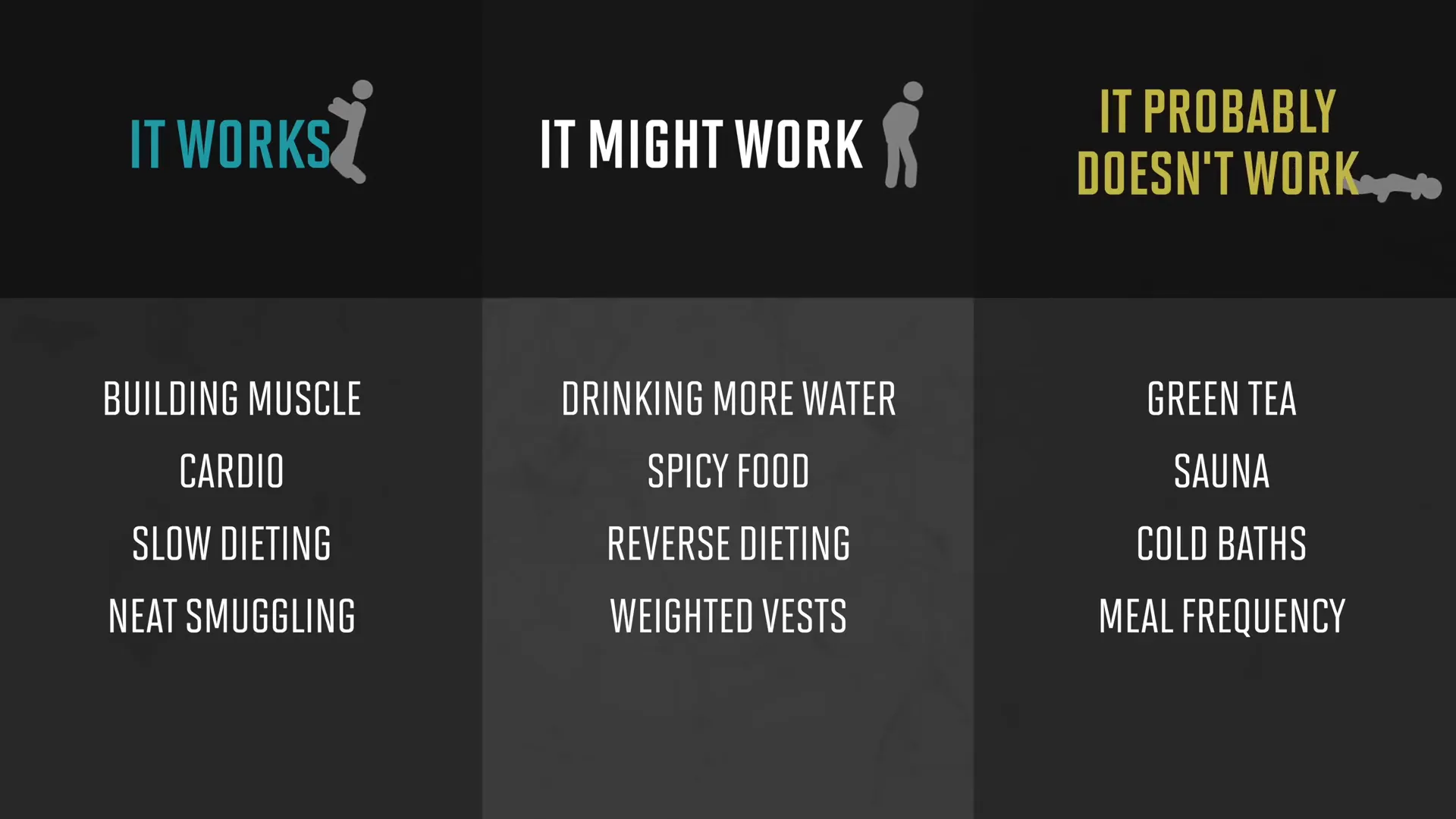
📊 Putting It All Together — Prioritizing What Actually Increases Metabolism
- High-impact strategies (best return for time and effort):
- Build and maintain muscle via progressive resistance training (major long-term metabolic increase).
- Avoid very aggressive dieting; aim for moderate, sustainable deficits (minimize metabolic downregulation).
- Increase NEAT with small daily behavior changes—these add up and are sustainable.
- Use cardio as a supplementary tool for additional calorie burn and cardiovascular health, understanding compensation exists.
- Low-impact or conditional strategies:
- Drink water (cold water gives a tiny bump) — useful for satiety more than raw calorie burn.
- Spicy food (capsaicin) yields modest thermogenic and satiety effects—may help some people.
- Weighted vests: promising mechanism but more research needed; plausible to increase daily load and energy expenditure.
- Minimal or negligible strategies:
- Sauna for calorie burn — negligible effect.
- Ice baths — small per-session calorie increases and individual discomfort; not a primary metabolic tool.
- Meal frequency — does not meaningfully increase TEF when calories and macronutrients are equal.
- Mindset and adherence:
- The best strategy to increase metabolism is the one you can do consistently: long-term muscle-building, sustainable dieting, and daily movement win over time.
🧾 Practical Plan to Increase Metabolism (Step-by-Step)
- Immediate steps (first 0–4 weeks):
- Set a realistic calorie target for your goal (deficit, maintenance, or slight surplus).
- Prioritize protein (~0.7–1.0 g/lb of body weight) to support muscle retention/growth.
- Start or maintain resistance training 2–4x/week focusing on progressive overload.
- Add NEAT habits (10–20 extra minutes of walking daily, take stairs, stand frequently).
- Short-term (1–6 months):
- Track weight and adjust calories based on trends rather than day-to-day variance.
- Slowly increase training intensity/volume to drive hypertrophy.
- Use cardio strategically—prefer HIIT or steady-state when there’s a clear purpose, but don’t rely on it to offset poor diet.
- Long-term (6+ months):
- Focus on structural changes: compile years of progressive training to build meaningful muscle mass.
- Use reversals or maintenance transitions after long diets—get to maintenance, then adjust upward if desired.
- Keep NEAT as an ongoing habit; it’s a lifestyle tweak with outsized cumulative impact.

❓ Frequently Asked Questions (FAQ)
- Q: Can drinking cold water really help me increase metabolism enough to eat more?
- A: Cold water does increase energy expenditure (~8 kcal/glass), but the effect is tiny. Use water primarily for hydration and satiety, not as a primary metabolic hack.
- Q: Will green tea help me lose fat faster if I drink it daily?
- A: Green tea can have small metabolic effects, but the evidence for meaningful long-term fat loss is weak. Enjoy it if you like it, but don’t expect big effects.
- Q: Is it worth using a weighted vest all day to trick my metabolism?
- A: Weighted vests are an interesting tool and may increase energy expenditure via load-sensing mechanisms, but strong clinical trial data is limited. If you try it, do so safely and watch for joint stress.
- Q: Does meal frequency affect metabolic rate?
- A: No — given equal calories and macros, meal frequency does not meaningfully change total daily energy expenditure. Choose a schedule that supports adherence and lifestyle.
- Q: How much muscle do I actually need to meaningfully increase metabolism?
- A: Adding 20–30 lb of muscle over years is realistic for a novice with proper training and nutrition and could raise daily expenditure by ~120–180 kcal/day. It’s meaningful, but it’s a long-term process.
- Q: Does cardio slow my metabolism?
- A: Cardio doesn’t “slow” metabolism in the long term, but it can trigger compensatory reductions in NEAT and appetite changes that blunt the net daily calorie deficit. It still burns calories and is useful when combined with diet.
- Q: What’s the best single tactic to increase metabolism today?
- A: Start/be consistent with resistance training and increase NEAT. Those give the biggest and most sustainable metabolic improvements.

📌 Final Summary & Actionable Takeaways
- Key summary:
- The most effective long-term ways to increase metabolism: build muscle, avoid aggressive long-term calorie restriction, and raise NEAT.
- Small acute tricks (cold water, spicy food, sauna, ice baths) provide tiny calorie bumps—use them if you enjoy them, but do not rely on them for major change.
- Cardio works but expect energy compensation; use it as a supplemental tool.
- Three-step plan to start increasing metabolism today:
- Commit to a structured resistance training program (progressive overload).
- Prioritize adequate protein and avoid crash dieting.
- Increase daily NEAT through simple routine changes (stairs, parking distance, standing breaks).
- Motivation and patience:
- Building a higher metabolic baseline is a marathon, not a sprint: prioritize habits you can maintain for months and years rather than quick fixes.
🔚 Closing Thoughts
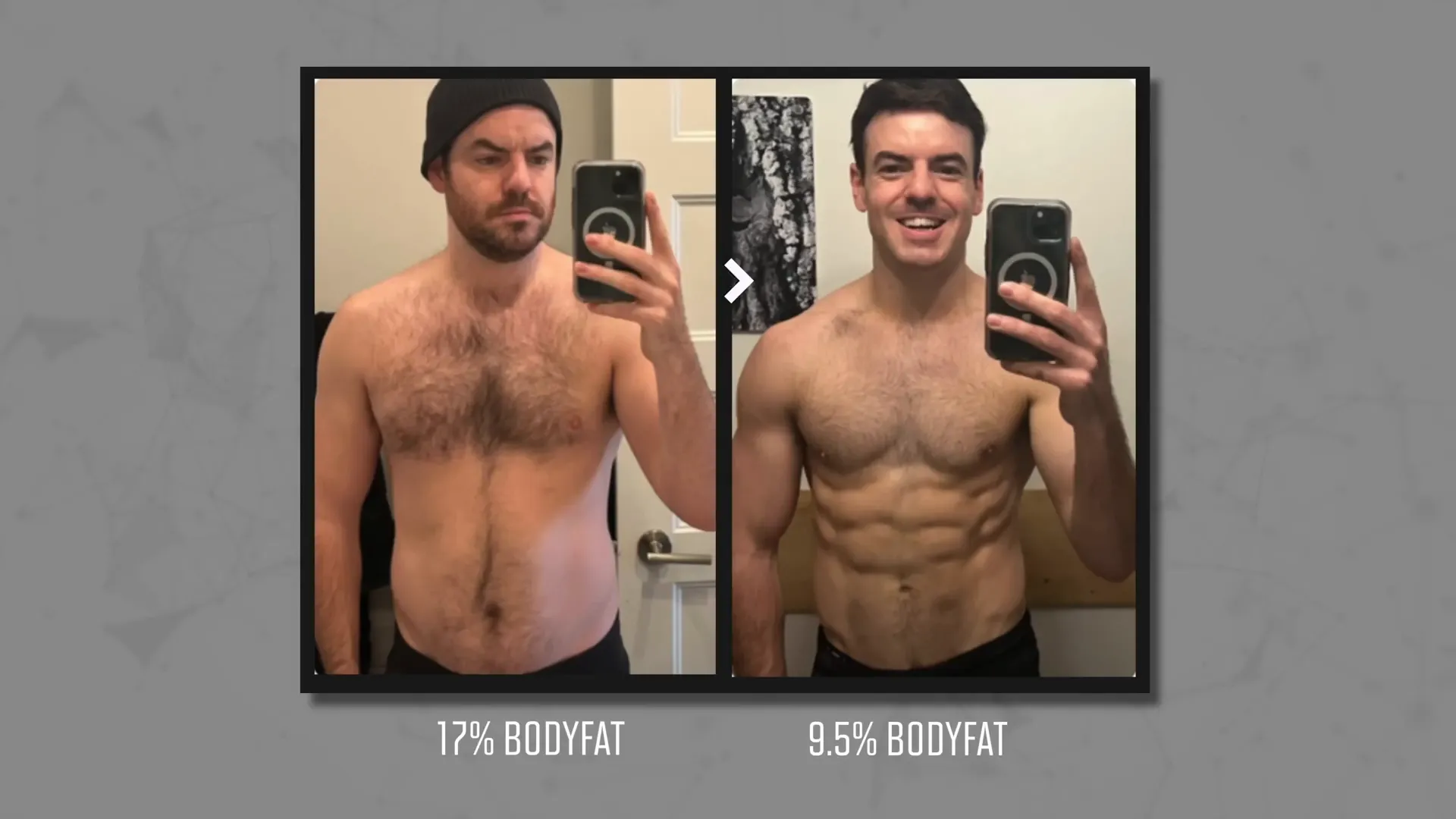
- – If your goal is to increase metabolism so you can “eat more and lose more,” focus on the interventions that produce durable changes: progressive resistance training, higher protein intake, moderate deficits, and increased NEAT.
- – Small tricks are fun and can marginally help, but they don’t replace the fundamentals. Use them as complements, not as core strategies.
- – Track outcomes (weight trends, body composition, performance, hunger) and adjust your approach. That feedback loop is more powerful than any single metabolic trick.
Next step
Turn this into a simple metabolism plan
Estimate your daily calories, save the free guide, then compare supplement options only if they fit your goals and health situation.
Use calculatorGet free guideCheck supplement option
Affiliate link. Supplements are not a substitute for medical care, diet, sleep, or activity habits.